3-Minute Guide: The Placebo Effect in Supplement Studies

3-Minute Guide: The Placebo Effect in Supplement Studies
When a supplement trial reports that participants improved, the most important follow-up question is how much the placebo group also improved. A meta-epidemiological analysis of 186 randomized controlled trials found that approximately 54% of the observed treatment effect was attributable to placebo effects rather than the active intervention [1]. That proportion is the starting point for any supplement efficacy claim.
How Large Is the Placebo Effect in Supplement Research?
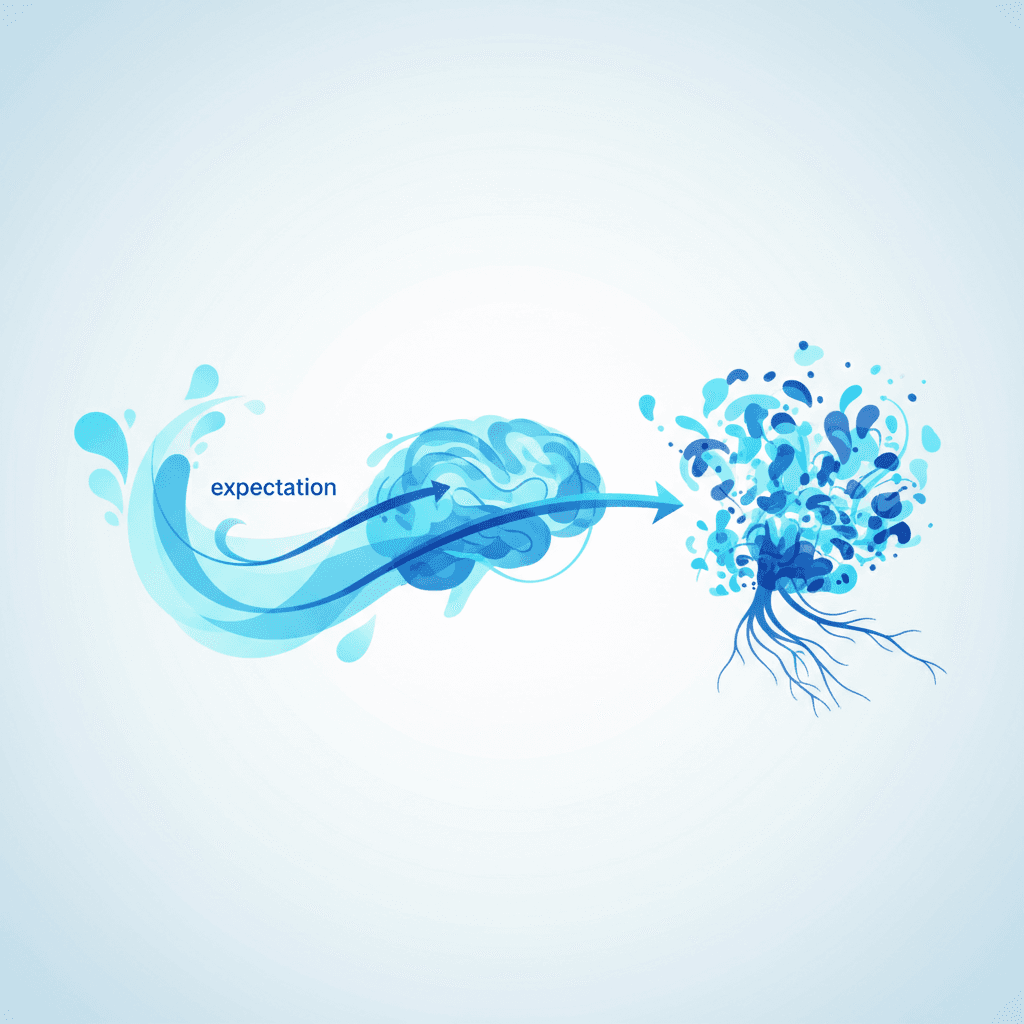
Across 186 randomized controlled trials and more than 16,600 patients, roughly half of all measured improvement flowed from contextual factors: patient expectations, the ritual of pill-taking, and the attention of clinical staff [1]. An umbrella review of 1,691 trials found placebo effect sizes from d = 0.33 in schizophrenia to d = 1.85 in generalized anxiety disorder, with depression at g = 1.10 [2]. The high-placebo categories, including anxiety, mood, and digestive comfort, are the outcomes most frequently targeted in supplement marketing.

A separate umbrella review of 158,312 participants found placebo effect sizes ranging from 0.08 to 2.01 [3]. A trial reporting subjective improvement without a matched placebo arm cannot separate pharmacological activity from contextual response.
The Nocebo Effect: When Belief Causes Harm
The nocebo effect describes measurable symptoms produced by negative expectations rather than pharmacological action. In the SAMSON crossover trial, side effect scores were nearly identical between statin months (16.3) and placebo months (15.4), versus approximately 6.5 during no-treatment months, with 90% of reported symptoms attributable to the nocebo effect [4].
Frequently Asked Questions
This content is for informational purposes only and is not intended as medical advice, diagnosis, or treatment. Always consult a qualified healthcare provider before starting any supplement or making changes to your health regimen.
Jessica Stone
Jessica Stone specializes in gut health and probiotic science, translating complex microbiome research into accessible nutrition guidance.
Jessica Stone specializes in gut health and probiotic science, translating complex microbiome research into accessible nutrition guidance.